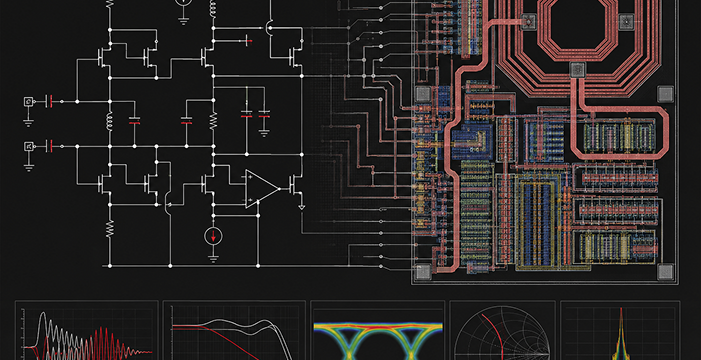















Semiconductor design software that proves the chip before you build it

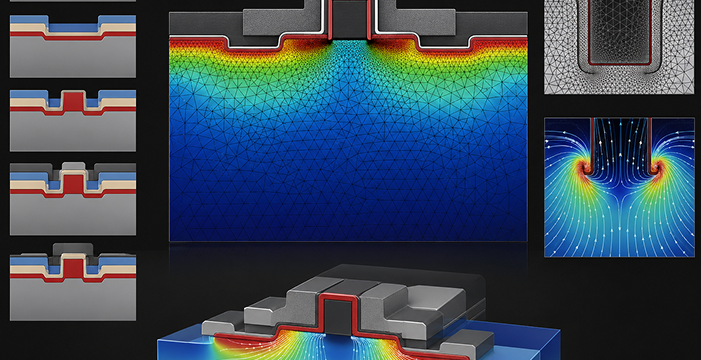
Silvaco pairs decades of device physics with AI-accelerated simulation and silicon-proven IP. You see how a design behaves before the first wafer is committed.
Talk to our Technical Experts

Interface IP that works on first silicon

Mixel has built MIPI PHYs since 1998. Silicon-proven in twelve process nodes at nine
foundries.
Talk to our Technical Experts

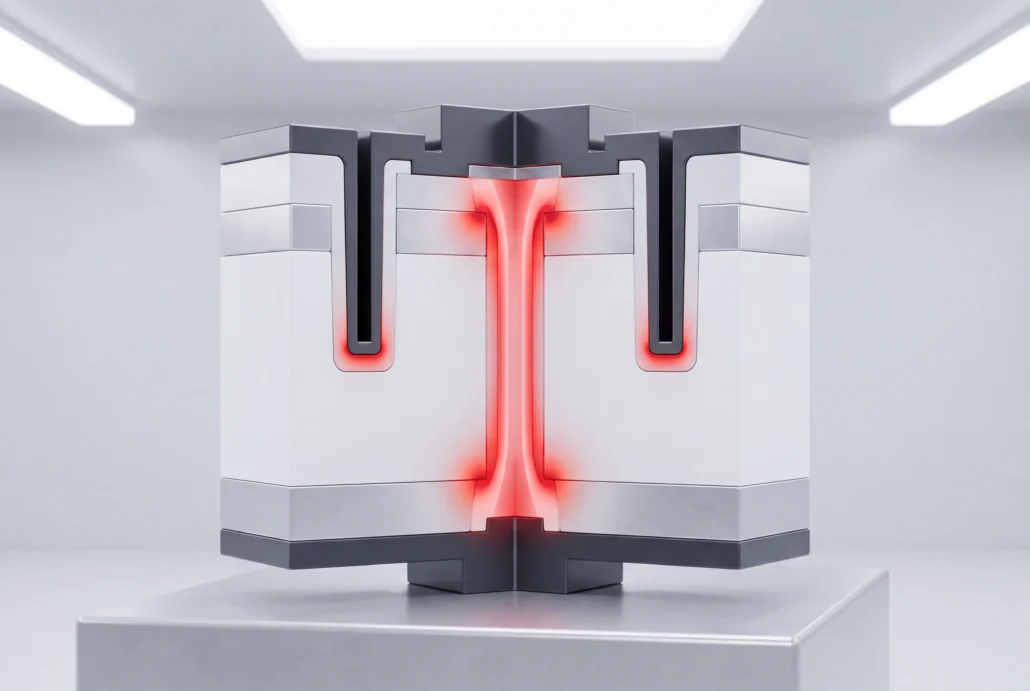
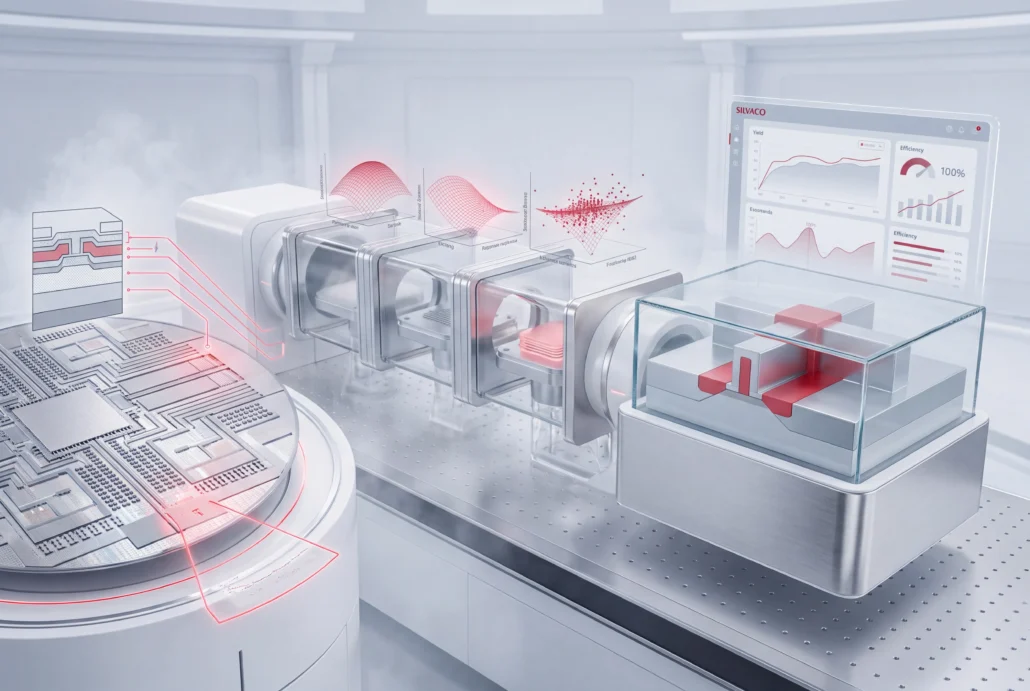
Run the process in simulation first

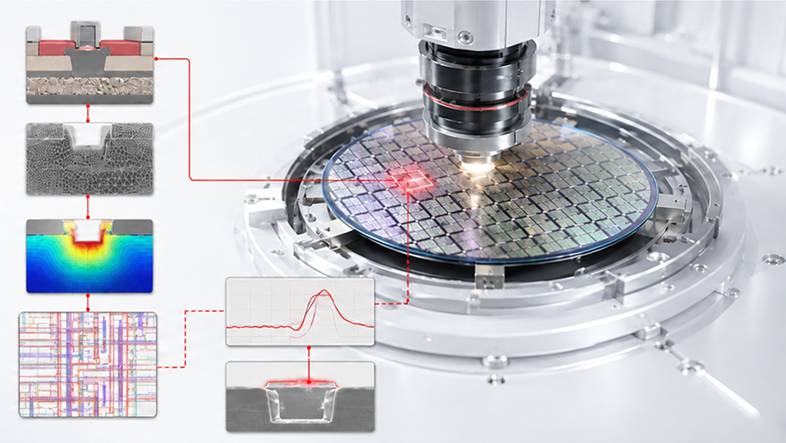
TCAD settles the physics. FTCO hands that same validated data to fab and process
engineers in real time, so the answer arrives today, not after the next wafer lot.
Explore TCAD and FTCO

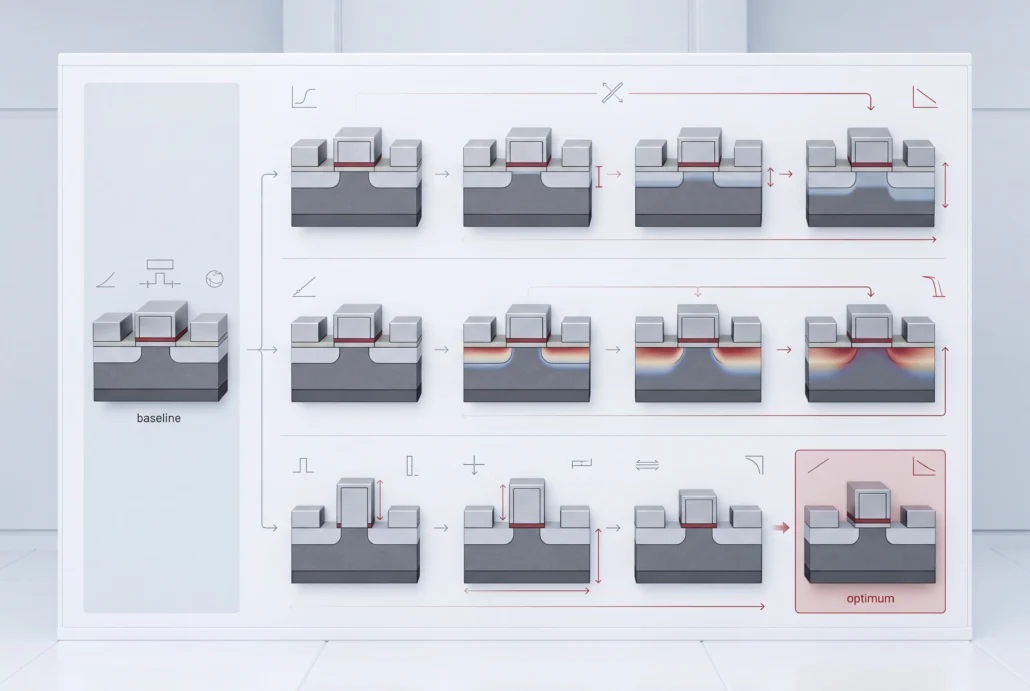
Design of Experiments without the wafers

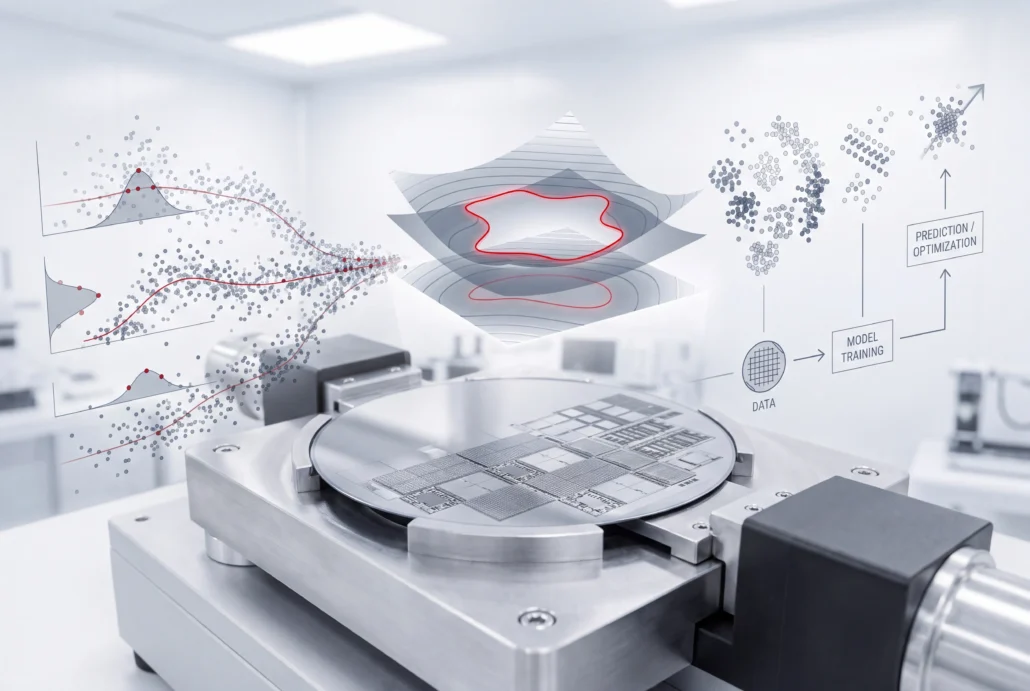
FTCO trains surrogate models on Silvaco's own physics data. Run the sweep in software, and spend a wafer only on the change that earned it.
Explore FTCO Solutions

Founded:1984

Nasdaq:SVCO

Global Offices:11

University Program:200+

Two disciplines. Same physics underneath.

Turn multiphysics simulation into engineering intelligence for faster, better-informed decisions.

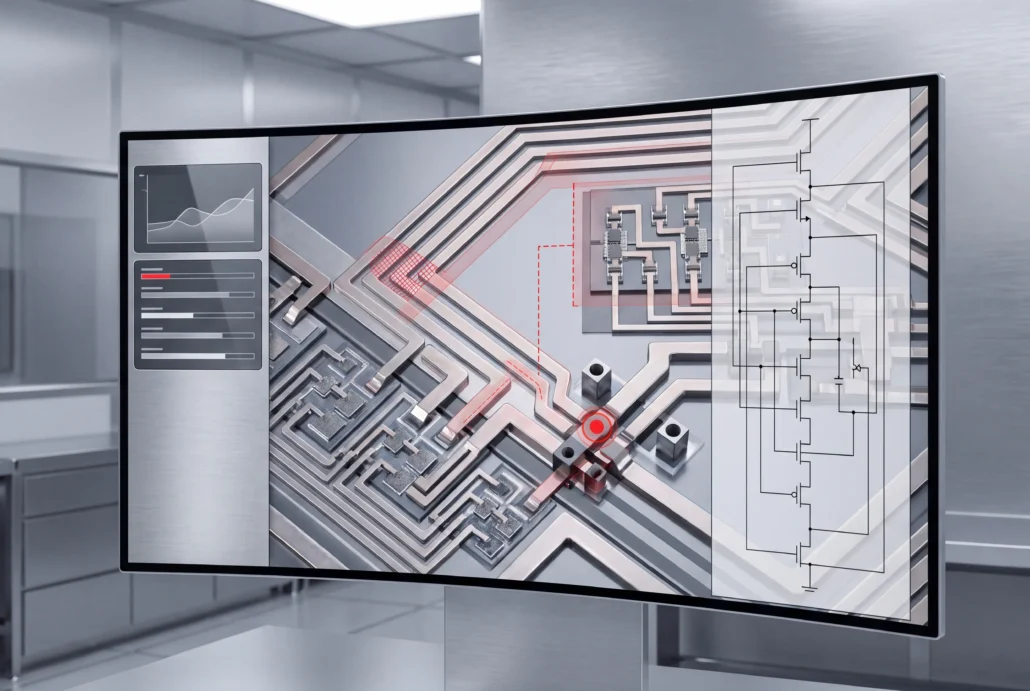
Design and verify transistor-level circuits. License silicon-
proven interface IP, Mixel’s MIPI portfolio included, instead
of building your own.

Start from your market,
or from your problem

Pick the market you build for, and the constraints that come with it.

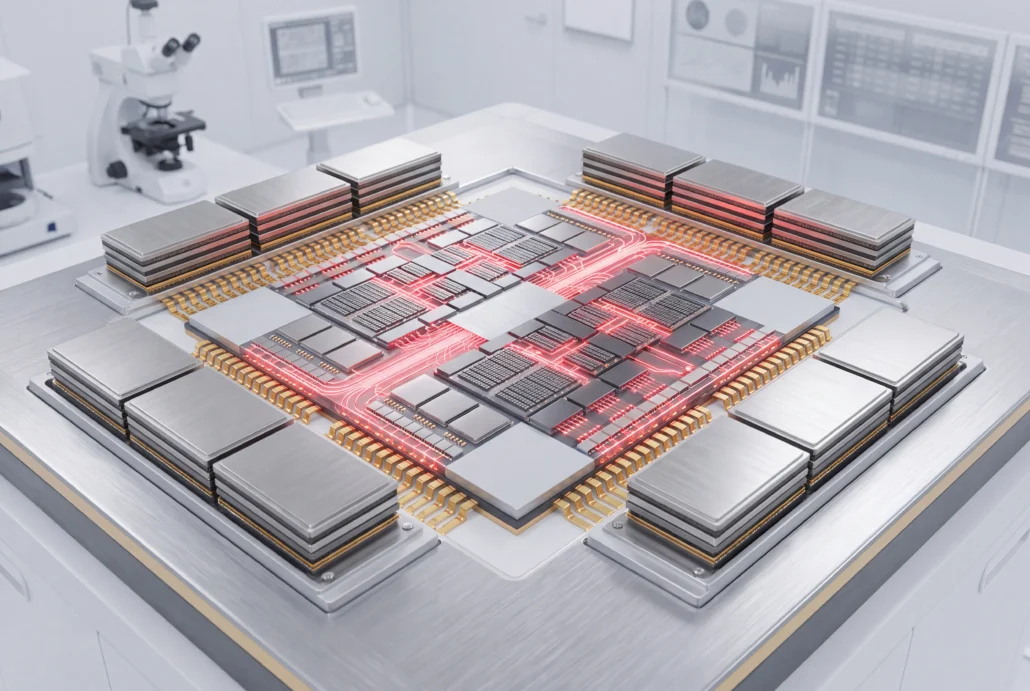
Model and optimize chiplets, interconnects, and 2.5D or 3D semiconductor packaging.

Develop high-performance, power-efficient semiconductor solutions for AI and data-intensive computing.

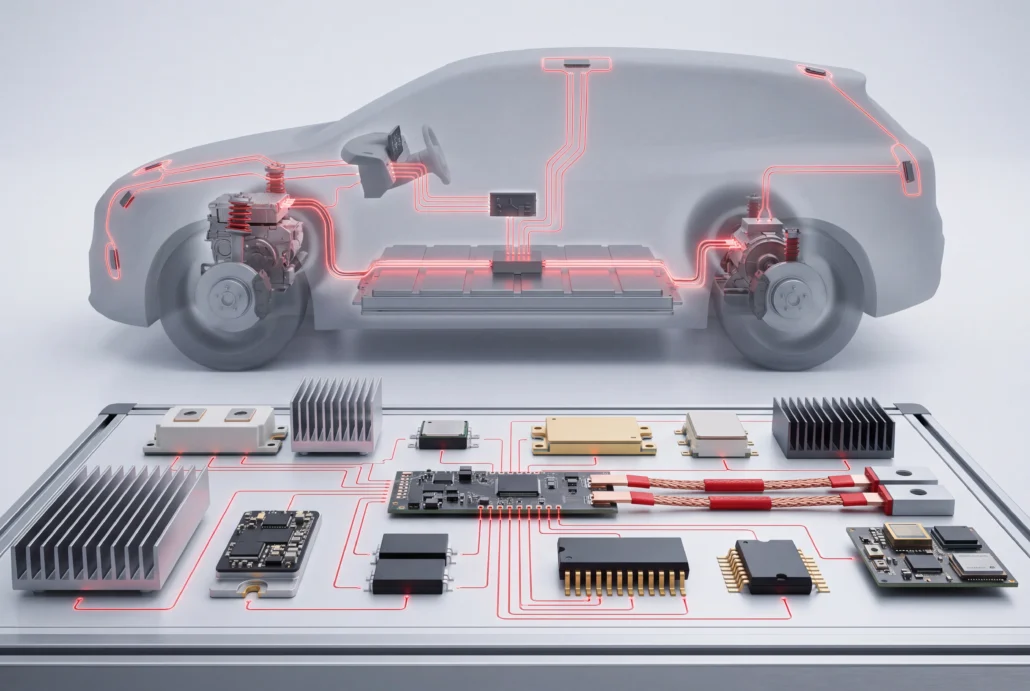
Design reliable semiconductor devices and circuits for electric vehicles, ADAS, connectivity, and control systems.

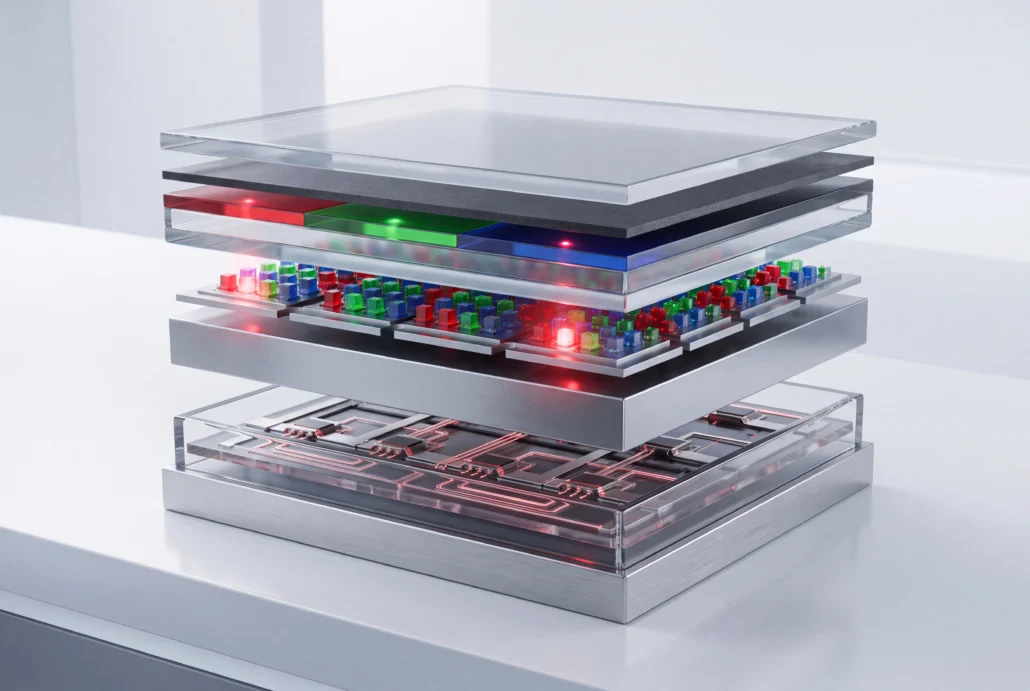
Simulate and optimize TFT, OLED, microLED, and other advanced display technologies.

Support process development, device modeling, PDK workflows, and manufacturing-ready semiconductor designs.

Develop efficient logic and memory technologies with accurate process, device, and circuit simulation.

Pick the market you build for, and the constraints that come with it.

Accelerate semiconductor insights through intelligent, data-driven modeling.

Explore process variables efficiently and identify optimal conditions.

Validate semiconductor designs for accuracy, reliability, and performance.

Predict device behavior across electrical, thermal, and physical conditions.

Optimize fabrication processes, devices, and manufacturing performance together.

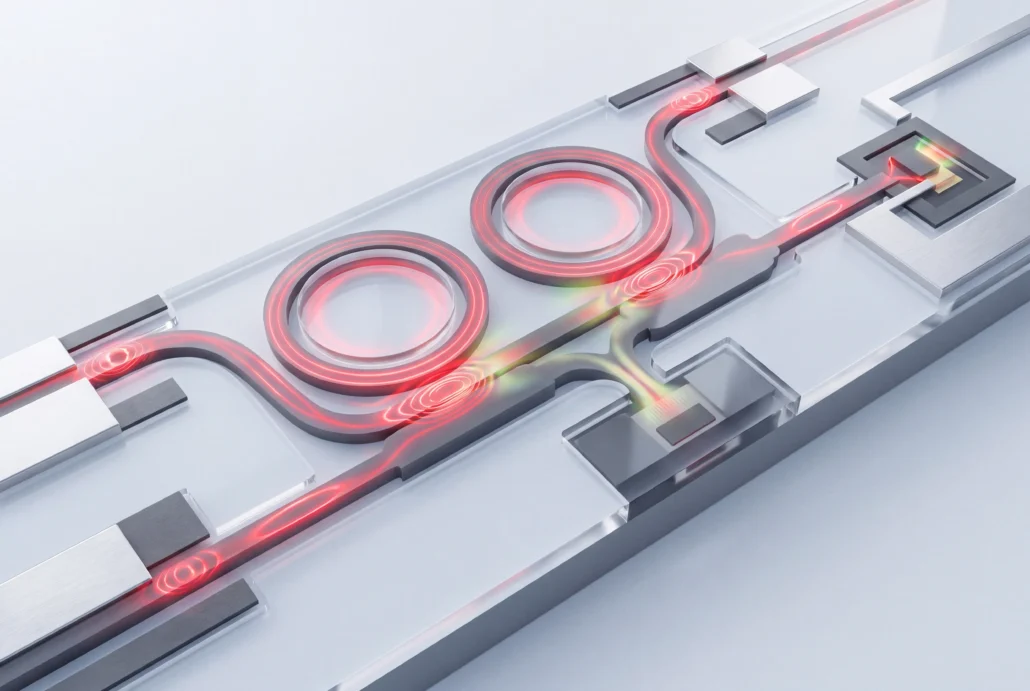
Model light behavior and optimize advanced photonic devices.

Foundries and technology partners

The first question is always whether Silvaco supports your foundry and your node.
The PDK and ecosystem work answers it first.

News, events and webinars

Latest News

Upcoming Events

Simulation Standard

Monthly TCAD Technical Journal

A Journal for Process and Device Engineers

Who's already running on it

Eight of the ten largest display makers run their work on Silvaco TCAD. Silvaco EDA sits
inside six of the ten largest semiconductor companies. You already compete with some of them.

See it run on your process

Tell us your process node and where the flow slows down.
We’ll walk you through the tools that fit.

Common Questions

What is semiconductor design software?

Semiconductor design software models a device or circuit before it is manufactured: process and device simulation (TCAD), circuit simulation, parasitic extraction and physical verification. Silvaco builds all four.

AI-Driven Manufacturing covers TCAD and FTCO for process and device work. AI-Driven Design covers EDA tools and licensed IP.

Yes. Mixel’s MIPI interface IP is part of Silvaco’s Design IP portfolio: D-PHY, C-PHY, CSI-2 and DSI, silicon-proven in twelve process nodes at nine foundries.

TCAD is the specialist tool for multiphysics process and device simulation, for work where accuracy matters more than turnaround. FTCO runs the same physics through AI-accelerated models, fast enough to use mid-shift.

Coverage spans specialty and mature nodes as well as advanced ones, across multiple foundries. The process design kits page lists a sample of supported PDKs by foundry and process node.

Yes. Universities and research groups access the tools through a separate academic track, not the commercial sales process. 200+ universities already use them.